

Category: Real Estate Tips

Harnessing The Power Of Real Estate Market Statistics: A Guided Blueprint for Realtors

Understanding and leveraging the real estate market’s statistical data trend is a pivotal cornerstone in being a successful Realtor.

Market statistics are like the heartbeat of the market, tracking price fluctuations, lending rates, development trends, and more. If used effectively, this  data can be a source of competitive advantage. Today, let’s delve into the exciting world of real estate market statistics.
understanding real estate statistics

Drilling Down into Real Estate Market Statistics

In simple terms, real estate market statistics outline trends and pattern conducive to rewarding decision making for anyone within the real estate industry. Being statistical data presented across diverse regions and time, it succinctly reflect prime transition points within the market.

What makes them truly beneficial is that they can both depict existing conditions and predict upcoming trends. By employing the power of this data, it becomes possible to keep your finger on the pulse of the market, remain relatively insulated from potential shocks, and secure favorable results amidst transaction dynamics.

With the new changes in real estate commission – it is more critical than ever to have accurate accounting statistics to show if you are profitable or not.  It is more critical than ever to make sure you are making data driven decisions in your real estate brokerage.

statistics

The Indispensability of Real Estate Statistics Literacy

Today’s real estate prowl is no less challenging than a thorough expedition into a tight maze. Trends veer in unfamiliar directions and market mystics are hard and bewildering. Hence, as an adept Realtor, a significant measure of your success depends on navigating judiciously amidst these intertwined echelons.

Possessing a working understanding of real estate statistical terms lets you analyze the date much more effectively.  Realtors well acquainted with operational utilization of real estate statistics can power better marketing campaigns, predict operational obstacles, generate compelling properties propositions, and adequately serve their target customers.

Understanding Key Real Estate Market Statistics for A Winning Business Edge

Most times, the mishmash appearance of real estate data precipitates unnecessary confusion. Unfortunately, this data cannot be avoided, rather an in-depth knowledge is expedient. Let’s put this clearly by examining the primary market statistics that ought to be at the fingertips of any informed market stakeholder

what are statistics

Average Days on Market (DOM)

DOM (Days on Market) presents a challenging metric in buoyant markets or a hard market stalemate recently owing to pandemic disturbance. With fluctuating and inter-region DOM predictions, each additional day maybe detrimental to transaction efforts, requiring higher marketing efforts and well-strategized decrement in list prices.  Here is a good example of displaying real estate market stats.

List Prices vs Sold Prices

Did your listed property fetch at par or higher than decided price? At odds with data patterns implying otherwise? Drawing a correlation stance between list price predictions and realized prices, this matrix quantifies expectational optimism amidst bidder lethargy or inflation surges.

Apply Real Estate Market Statistics into Strategic Plans

In reality, what seems puzzling, at first comes down to simple gauges of data indicators breaking down complex market pulse movements. The approach is pretty straightforward.

Use real estate market data buck trend of economic indicators. By comparing season data changes or transition vistas in compared regions giving exclusive patterns harmonious with acceleration theory. Simultaneously, observe the price rates, local housing permits evolved and neighborhood property heat maps.stats

Few successful streaks can inspire higher winning steaks. Grasp the insight behind the numbers, planning targeted marketing showcasing elements attractive to clients bringing potential homebuyers achieve high aspirational criteria.

Practical Tips to Stay Updated

Join Association & Network Meetings

Consistent attendance at local Realtor Association meetings and other networking events keeps outlook on market transitions vivaciously lit shedding of market risks and optics into statistically predicted alternatives.

Explore Online Research & Attend Webinars

Several online resources are at disposal, subscribe Realtor portals offering customizable locales, reports relevant to ongoing business not leaving behind national matrix knowledgeable projections resulting into penetrating market knowledge.

Online Marketing

Better digital precociousness, active blogging notched up with SEO keywords displayed on Realtor website edited to reflect changing marketplace ensuring decline in lost potential owing to inaccessibility to flash moments relevant to realtors globally.

In A Wrap

Though overwhelming figuring out, real estate data dynamics coalesce zillion possible transactions matrix to align rewarding permutations of strategies. Every actively keen, tech-infused Realtor experimenting distinctive potent combination escapes whirlpool statistical maze grasping simplistic important facts followed along with encouraging prospects.
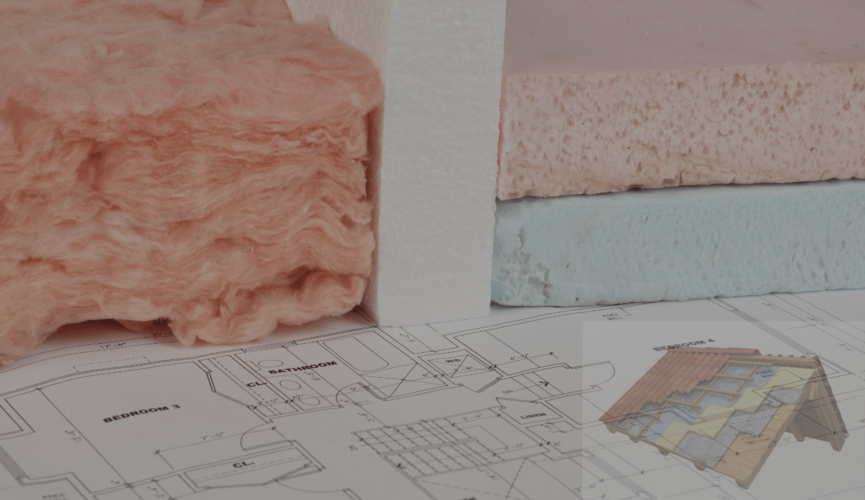

Understanding Different Types of Insulation

insulation types

Types of Insulation: The Key to Energy Efficiency

When it comes to keeping your home comfortable and energy-efficient, insulation plays a crucial role. Proper insulation helps regulate indoor temperatures, reduces energy costs, and enhances overall comfort levels. With various types of insulation available on the market, understanding their differences can help you make an informed decision for your home’s needs. In this article, we’ll explore the most common types of insulation, including the increasingly popular spray foam insulation.

Fiberglass Insulation

Fiberglass insulation is one of the most widely used and affordable options for residential and commercial buildings. Made from fine glass fibers, it comes in batts or rolls that can be easily installed in walls, attics, and crawl spaces. Fiberglass insulation is effective at trapping air and slowing down heat transfer, making it a good choice for temperature regulation. However, it can be prone to settling over time, potentially creating gaps and reducing its insulating capabilities.

Cellulose Insulation 

Cellulose insulation is an eco-friendly option made from recycled materials like newspapers, cardboard, and other plant fibers. It is typically blown or sprayed into attics, walls, and other enclosed spaces, providing excellent insulating properties and air-sealing capabilities. Cellulose insulation is resistant to moisture, fire, and pests, making it a durable and long-lasting choice. Additionally, its natural composition makes it a great option for homeowners looking to reduce their environmental impact.

Mineral Wool Insulation 

Mineral wool insulation, also known as rock wool or slag wool, is made from natural minerals like basalt or recycled steel slag. It comes in batts or loose-fill form and is known for its excellent fire resistance and sound absorption properties. Mineral wool insulation is also resistant to moisture and mold, making it a suitable choice for areas with high humidity levels. However, it can be more expensive than other types of insulation and may require professional installation due to its density.

Rigid Foam Insulation 

Rigid foam insulation is a versatile option that comes in various forms, including rigid boards, sprayed foam, and insulating concrete forms (ICFs). These types of insulation are highly effective at preventing heat transfer and can be used in various applications, such as exterior walls, roofs, and foundations. Rigid foam insulation is moisture-resistant, durable, and long-lasting, making it a popular choice for both new construction and retrofit projects.

Spray Foam Insulation 

Spray foam insulation has gained significant popularity in recent years due to its exceptional insulating properties and air-sealing capabilities. It is available in two main types: open-cell and closed-cell spray foam.

Open-cell spray foam insulation

Open-cell spray foam insulation is a lightweight, semi-rigid material that expands to fill cavities and crevices, creating an effective air barrier. It is known for its excellent insulating properties and ability to reduce air infiltration, making it a great choice for improving energy efficiency in existing homes.

Closed-cell spray foam insulation

Closed-cell spray foam insulation, on the other hand, is denser and more rigid. It provides superior insulation and moisture resistance, making it ideal for use in areas prone to high humidity or moisture exposure, such as crawl spaces and basements. Closed-cell spray foam also has a higher R-value (a measure of insulation effectiveness) compared to open-cell foam, making it a more efficient insulator.

Application process for spray foam

The application process for spray foam insulation involves hiring a professional contractor who will spray the foam onto the desired surfaces, ensuring proper coverage and adherence. The foam expands and hardens, creating a seamless and continuous insulation layer that effectively seals air leaks and minimizes heat transfer.

Reflective Insulation 

Reflective insulation is a unique type of insulation that reflects radiant heat rather than absorbing it. It consists of reflective materials, such as aluminum foil or metalized plastic film, often combined with plastic bubbles or cardboard backing. Reflective insulation is commonly used in attics, walls, and crawl spaces to reduce heat transfer and improve energy efficiency. It works best when installed with an adjacent air space, allowing the reflective surface to bounce radiant heat back towards its source.

When considering the right type of insulation for your home, it’s essential to consider factors such as climate, insulation requirements, budget, and the specific areas of your home that need insulation. Consulting with a professional insulation contractor can help you determine the most suitable option based on your needs and local building codes.

Energy efficiency

Proper insulation not only improves energy efficiency and lowers utility bills but also contributes to a more comfortable living environment. By understanding the different types of insulation and their unique characteristics, you can make an informed decision that maximizes the energy performance and overall comfort of your home.

Preparing to Buy a House

buying a home

Preparing to Buy a House: A Step-by-Step Guide for First-Time Homebuyers

Buying a house is a significant milestone and one of the biggest investments you’ll make in your lifetime. As a first-time homebuyer, the process can seem overwhelming, with numerous factors to consider and decisions to make. However, with proper preparation and guidance, you can navigate the homebuying journey smoothly and confidently. In this step-by-step guide, we’ll walk you through the essential steps to prepare for your first home purchase.

Step 1: Evaluate Your Finances

Before you start house hunting, it’s crucial to assess your financial situation. Determine how much you can afford to spend on a home by considering your income, debts, and monthly expenses. Use online mortgage calculators to estimate your potential mortgage payments, including principal, interest, taxes, and insurance (PITI). Additionally, factor in the costs associated with homeownership, such as utilities, maintenance, and repairs.

Step 2: Get Pre-Approved for a Mortgage

Getting pre-approved for a mortgage is an essential step that will give you a clear understanding of your budget and make you a more attractive buyer to sellers. Pre-approval involves providing your lender with financial documents, such as pay stubs, tax returns, and bank statements. The lender will then evaluate your creditworthiness and provide you with a pre-approval letter stating the maximum loan amount you can borrow.

Step 3: Determine Your Must-Haves and Nice-to-Haves

Before you start searching for homes, make a list of your must-have features and nice-to-have amenities. Consider factors such as the number of bedrooms and bathrooms, desired square footage, neighborhood, proximity to schools or work, and any specific features like a garage or yard. This list will help you narrow down your search and avoid wasting time on properties that don’t meet your needs.

NAR crumbling
NAR crumbling

Step 4: Explore Neighborhoods

Once you have a general idea of your budget and desired features, start exploring potential neighborhoods. Drive around areas that interest you, and take note of factors like safety, accessibility to amenities, and the overall vibe of the community. Attend open houses to get a feel for the local real estate market and the types of homes available in your price range.

Step 5: Find a Real Estate Agent

Working with a knowledgeable and experienced real estate agent can make the homebuying process smoother and less stressful. A good agent will understand your needs, provide valuable insights into the local market, and negotiate on your behalf. Interview several agents and choose one you feel comfortable with and who has a proven track record in your desired area.

Step 6: Get Pre-Qualified for a Loan

While pre-approval gives you an estimate of what you can borrow, getting pre-qualified for a loan is the next step. This process involves submitting a formal loan application and providing detailed financial documentation. Pre-qualification will give you a more accurate idea of your borrowing capacity and the loan programs you qualify for, such as conventional, FHA, or VA loans.

Step 7: Start House Hunting

With your pre-approval in hand and a real estate agent by your side, it’s time to start house hunting in earnest. Attend open houses, schedule private viewings, and take notes on the properties you visit. Pay attention to details like the condition of the home, the layout, and any potential repairs or renovations needed.

Step 8: Make an Offer

Once you’ve found the perfect home, it’s time to make an offer. Your real estate agent will guide you through the process, which includes submitting a written offer along with an earnest money deposit. Be prepared to negotiate with the seller on the price, closing costs, and any contingencies, such as a home inspection or appraisal.

Step 9: Get a Home Inspection

After your offer is accepted, it’s crucial to have the property inspected by a professional home inspector. This step is essential to uncover any potential issues or defects that may not be visible to the naked eye. If the inspection reveals significant problems, you may be able to renegotiate the price or request that the seller make necessary repairs before closing.

Step 10: Secure Homeowners Insurance

Before closing on your new home, you’ll need to obtain homeowners insurance. This type of insurance protects your investment and personal belongings from various risks, such as fires, storms, and theft. Shop around and compare policies from different providers to find the best coverage and rates.

Step 11: Finalize the Mortgage and Closing Process

Once all contingencies have been met and the paperwork is in order, it’s time to finalize your mortgage and prepare for closing. This includes reviewing and signing the closing documents, transferring funds for the down payment and closing costs including real estate commission, and completing any final walk-throughs or inspections.

Step 12: Celebrate and Move In!

After the keys are in your hand, it’s time to celebrate your achievement and start planning your move. Hire professional movers or enlist the help of friends and family to make the transition as smooth as possible. Remember to update your mailing address, transfer utilities, and explore your new neighborhood.

Buying a home is a significant investment and a major life milestone. By following these steps and being well-prepared, you can navigate the process with confidence and make informed decisions every step of the way. With patience, determination, and the right guidance, you’ll be well on your way to becoming a proud homeowner.